Your Cart is Empty

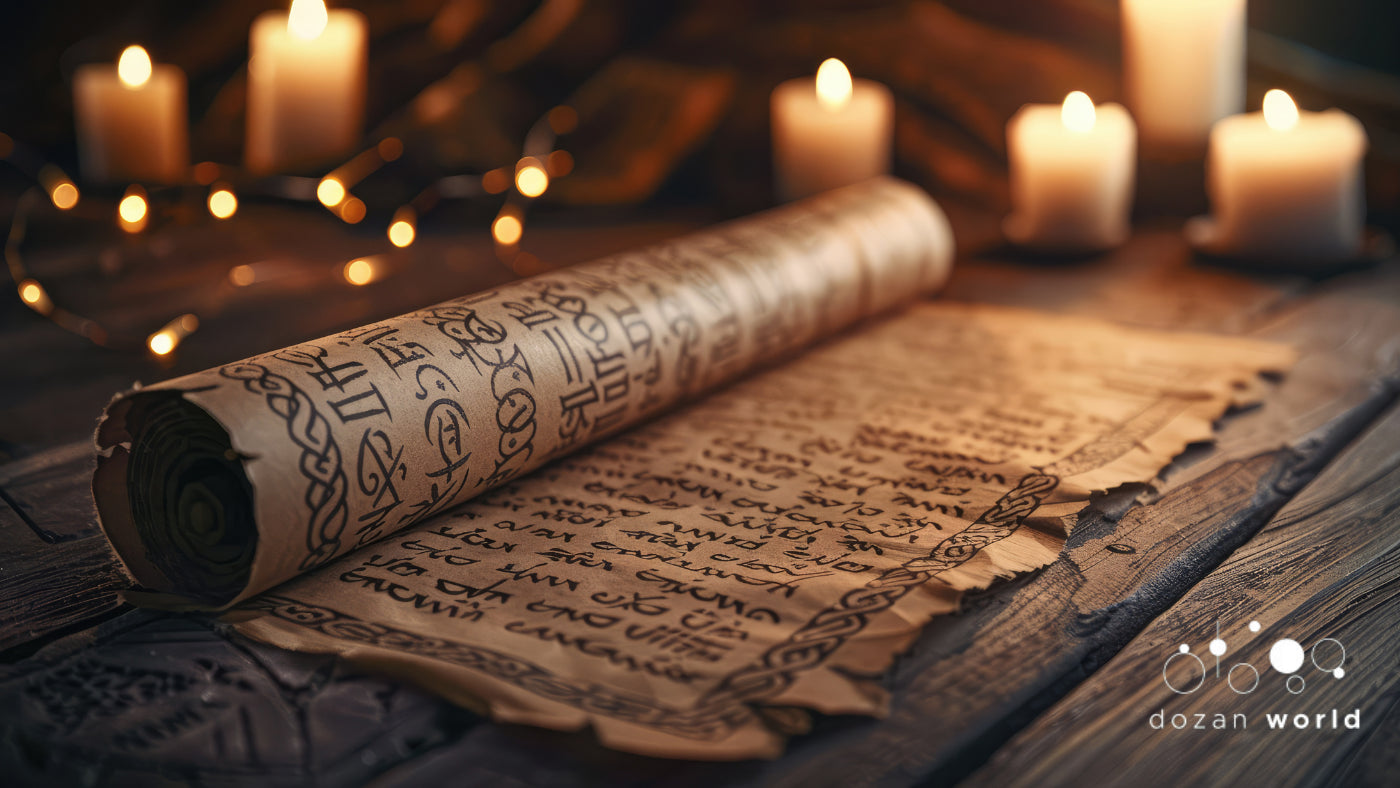
If you search online for Arabic sheet music, you aren't likely to come across a huge catalogue. For centuries, Arabic music has been passed down primarily through oral tradition. Melodies and rhythms were shared from teacher to student, performer to performer, and generation to generation. While this method preserved the music's soul and authenticity, it also meant that many compositions were never formally documented. As time passed, countless works were lost, but thankfully, today we see passionate efforts to preserve Arabic music notation and share it with the rest of the world.
At Dozan World, we are proud to be at the forefront of preserving this musical heritage. We have built a huge catalogue of Arabic sheet music that plays a vital role in preserving this rich musical legacy. Our focus has been on accurate transcription, thoughtful notation, and culturally respectful arrangements that allow the local musicians and those from other parts of the world to enjoy the richness and legacy of Arabic music scores. Our efforts are playing a small role in safeguarding Arabic musical heritage for future generations of musicians, educators, and researchers.
Unlike Western classical music, which has long relied on written scores and has been documented for centuries, much of Arabic music evolved through listening, imitation, and memory. In many cases, Arabic music scores have been closely guarded traditions within different communities and haven't spread beyond their immediate vicinity. In a region with diverse communities speaking different languages, finding original versions of songs through performances and recordings hasn’t been easy.
The oral tradition has also allowed for expressive freedom. In many cases, this has led to the absence of standardized Arabic musical notation. We have taken all these challenges in our stride and worked with musicians and researchers to revive the original compositions and make them easily accessible to musicians interested in these Arabic music scores. Our approach to preserving Arabic music has focused on retaining authenticity.
At Dozan World, we take pride in being the inheritors of this legacy. Preserving Arabic musical heritage is not just about publishing scores for us, but it is about honoring the culture behind every note. We are working closely with composers and cultural experts to ensure that each piece reflects authentic musical practices. We aren’t Westernizing the music to make it more accessible to the world but focusing on respectful preservation that maintains the original character, phrasing, and emotional depth of Arabic compositions.
Our Arabic music scores aren't replacements for tradition, but a means to share them with modern musicians, educators, and ensembles who are interested in studying authentic melodic structures and traditional rhythmic patterns. The focus of our project is not just to share Arabic music scores but also to deepen the knowledge and appreciation for this legacy among people across the globe. The music carries identity, memory, and history. As you dive into Arabic music, you will find glimpses of the experiences of generations across the Middle East.
One of the most important aspects of preservation is notation. Arabic music uses unique melodic systems, ornamentation, and rhythmic cycles that are not always easily represented in Western notation. Our Arabic music notations have maqam-based melodies that retain the original rhythmic structures rooted in Arabic traditions. Through our musical notation, we have focused on making Arabic music easier to learn and perform, even for those who don’t speak Arabic or haven’t played it.
Our preservation efforts have borne fruit. We take pride in having attracted the attention of countless musicians, educators, and researchers from across the world. From young learners in different music schools to acclaimed performers and ensembles looking to add to their repertoire, we have a fast-growing list of patrons. As more musicians explore our collection, we expect the demand for authentic Arabic music to grow. Our written Arabic music scores have allowed people to access the musical traditions with authenticity. These encouragements have helped us stay committed to expanding our collections and protecting the stories behind every composition.
At Dozan World, we strongly believe the Arabic musical legacy shouldn't stay confined within the region but should reach the rest of the world. We are bridging the gap between oral tradition and written documentation to let musicians carry Arabic music forward with artistic excellence. We have carefully crafted Arabic sheet music and Arabic music notation and made them accessible to people using the power of the Internet, ensuring that centuries of musical tradition remain alive.
Explore our collection today and celebrate the rich musical legacy of the Arab world.
What is Arabic sheet music?
Arabic sheet music is musical scores that represent Arabic compositions. Our curated collection includes traditional melodies, rhythms, and modal systems.
How is Arabic music notation different from Western notation?
Arabic music notations have unique rhythmic patterns that differ from Western major/minor systems.
Why should Arabic music scores be preserved?
Arabic music has a rich legacy built over centuries. It is important to preserve these oral traditions and original compositions for future generations.
Can Western musicians use Arabic sheet music easily?
Yes, our scores are adapted for Western-trained musicians while preserving cultural authenticity. Our sheet music includes pronunciation guides to help Western musicians pick them up easily.
Does Dozan World only have traditional music?
No, we also work with contemporary Middle Eastern composers to offer our users the right balance between legacy music and contemporary works.
Do you have Arabic music scores for beginners like me?
Yes, we have a catalog that caters to musicians at all levels, from beginners to professional performers.
Do you have secular music scores?
Yes, we have a collection of both sacred and secular scores. Browse through our online music shop, and you will find secular masterpieces from the region.